
Open any social feed in Perth after the footy finishes on a Sunday arvo and the same four ad types come marching through – sports betting, online pokies, crypto deposits, and bonus codes that vanish by morning. Most Australians don’t gamble because they saw a banner; they notice the banner because the wagering market is now woven into sport sponsorship, free-to-air broadcasts, and stadium naming rights. The Interactive Gambling Act still blocks unlicensed offshore casino sites from being marketed to locals, but licensed Australian bookmakers and wagering brands operate in a near-saturation ad environment, which is why the volume feels relentless compared with most other consumer categories.
Why the Ad Spend Is So Loud Across Australia
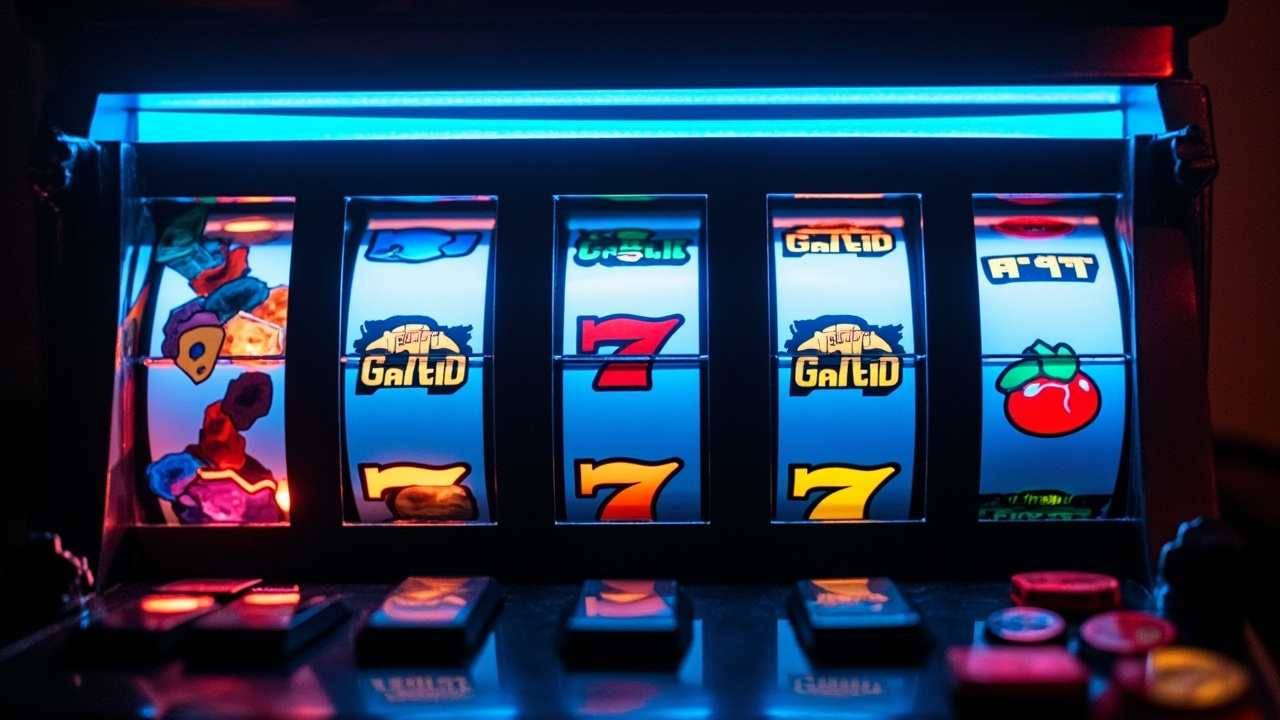
In an FP&A review I ran for a Sydney-based media group, gambling sat inside the top three advertiser tiers on every linear and digital channel, behind only retail and telco. That isn’t accidental. Wagering licences in this country carry point-of-consumption tax obligations in every state, plus product fee regimes in places like Victoria and Western Australia, so operators reinvest heavily into acquisition to keep customer lifetime value ahead of compliance overheads. When a category is taxed at 8-15% of net revenue before federal GST, marketing budget becomes the first lever pulled to defend margin. A wagering brand losing a few thousand punters in a quarter will spend on the next campaign cycle as if it’s a retailer – because, for them, it is.
The second driver is data. Australian bookmakers are permitted to personalise offers, push notifications, and bonus codes to verified account holders under the Privacy Act, which means every deposit, bet type, and session length feeds a recommendation engine. That is why your phone shows a same-day multi during the NRL and a crypto deposit bonus at 9 pm. “Ad density in Australian wagering is a function of tax drag, sponsorship lock-ins, and first-party data,” says Charlotte Patel, Chief Financial Officer at Kangaroo Point Analytics. “Operators advertise because it is one of the few fully controllable line items in a heavily regulated P&L – and the regulators, frankly, prefer licensed brands shouting over unlicensed ones going quiet.”
How a Modern Operator Handles the Onboarding Clutter Differently
Most wagering sites still treat sign-up like a form to clear, then throw the same five-tile grid at every visitor. A cleaner alternative, by design, treats the homepage as a routing layer rather than a billboard. The first scroll should be tailored to your state – AUD by default, Perth time zone on the odds ticker, and a language toggle that’s actually localised rather than a token switch. Below that, a collapsible menu groups sports, racing, casino-style products, and promos into four lanes, with deposit and bet-slip controls pinned to the right edge so the bettor never hunts for them on a smaller handset.
Localisation is where the international books keep slipping. A site that addresses the user as “mate,” shows ResponsibleWagering.com.au links in the footer, and surfaces BetStop self-exclusion registration as a single tap is operating at a different standard than one that copies a European template and swaps a flag. The better builds also pre-fill state-based reality checks – mandatory in NSW and Victoria – rather than burying the prompt behind a third settings menu. “Australian UX has to accommodate a layered regulatory state,” notes Georgia Johnson, Gaming Technology Consultant at Top End Gaming Advisory. “If your account dashboard forces a user through a generic European KYC flow before showing their responsible gambling controls, you’ve already lost half the goodwill you paid to acquire them.”
For puntors who want a working example of this lighter, more local-first layout, ecopayzcasinoonline.net shows how payment-first navigation can be reorganised around an Australian user’s actual deposit and withdrawal path rather than a borrowed offshore template.
Practical Habits to Quiet the Ad Overload
Setting personal ad rules beats uninstalling apps, because the wagering industry has already migrated to broadcast, podcasts, and stadium signage that no ad blocker can touch. A few habits that defo help:
- Register with BetStop if you want a hard national exclusion, or use each bookmaker’s own deposit and time-out limit tools inside account settings.
- Switch ad personalisation off inside Google, Meta, and TikTok; wagering brands buy heavily through custom audiences built from lookalike modelling.
- Keep a single bookmark folder of two or three licensed AU bookmakers, and close the rest of the tab jungle.
- Email and SMS marketing opt-outs live under “communications preferences” in most operator accounts – flipping them off cuts the late-night deposit bonus pings within a day.
None of this changes the underlying ad spend, but it changes what lands in your feed. The Australian wagering market is busy as a Perth freeway at peak hour, and the only sustainable answer is to choose which lanes you actually drive in. With licensed operators, clearer onboarding, and tighter personal controls, the noise drops to a level where a casual punter can keep the habit recreational instead of reactive.